
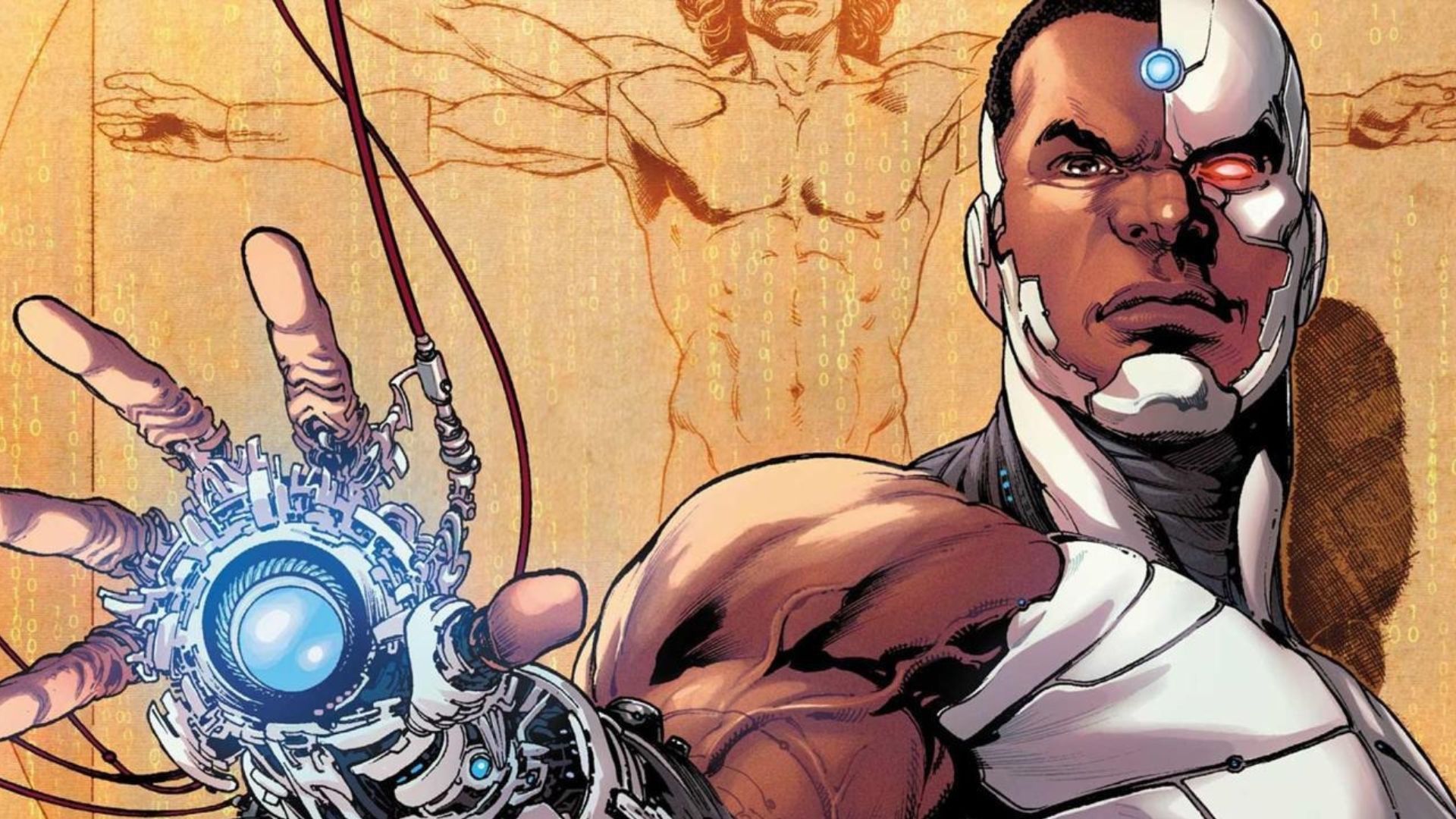
Imagine if you could run faster than an Olympic champion, see in the dark, or connect directly to a computer just by thinking. Science fiction? Maybe not for much longer!
Cyborgs (Cybernetic Organisms) are organisms that combine biological and artificial parts. The term was coined in 1960 by scientists Manfred Clynes and Nathan Kline, who envisioned humans with technological enhancements capable of surviving in space.
Are We Already Cyborgs?
It sounds strange, but some people today can already be considered cyborgs! People with pacemakers, users of cochlear implants that allow them to hear, people with advanced bionic limbs controlled by neural signals, patients with implanted electronic systems that regulate bodily functions. In other words, the fusion of man and machine has already begun!
Cyborgs in Comics
Comic book creators embraced the idea of the cyborg early on. Some of the most famous cyborgs in pop culture include DC’s Cyborg, RoboCop—the police officer who became half-human and half-machine—Darth Vader, whose body was largely replaced by technology, and Steve Austin, the “Six Million Dollar Man.”
The Physics of Superhumans
If a person were to acquire mechanical legs capable of delivering ten times the power of their muscles, they could make leaps of several meters or run at speeds that currently seem impossible. The problem, however, is not just strength. The bones, joints, and heart would also have to be reinforced to withstand the enormous forces that would be generated. Physics reminds us that every “superpower” comes at a price!
The Big Question
If we replaced an arm with a bionic limb, would we still be the same people? What if we replaced both arms? Our legs? Our eyes? Our brain? Where exactly does the human end and the machine begin?
Cyborgs aren’t just a science fiction concept. They’re one of the most fascinating scientific and philosophical questions of the 21st century. And maybe, someday, we’ll all become a little bit… superhuman. 🚀🤖
PhysiComics Verdict:
Cyborgs aren’t a denial of human nature. They might just be the next chapter in its evolution. ✨